





How to get financing for your independent film: Insights from lawyer Ernest Goodman
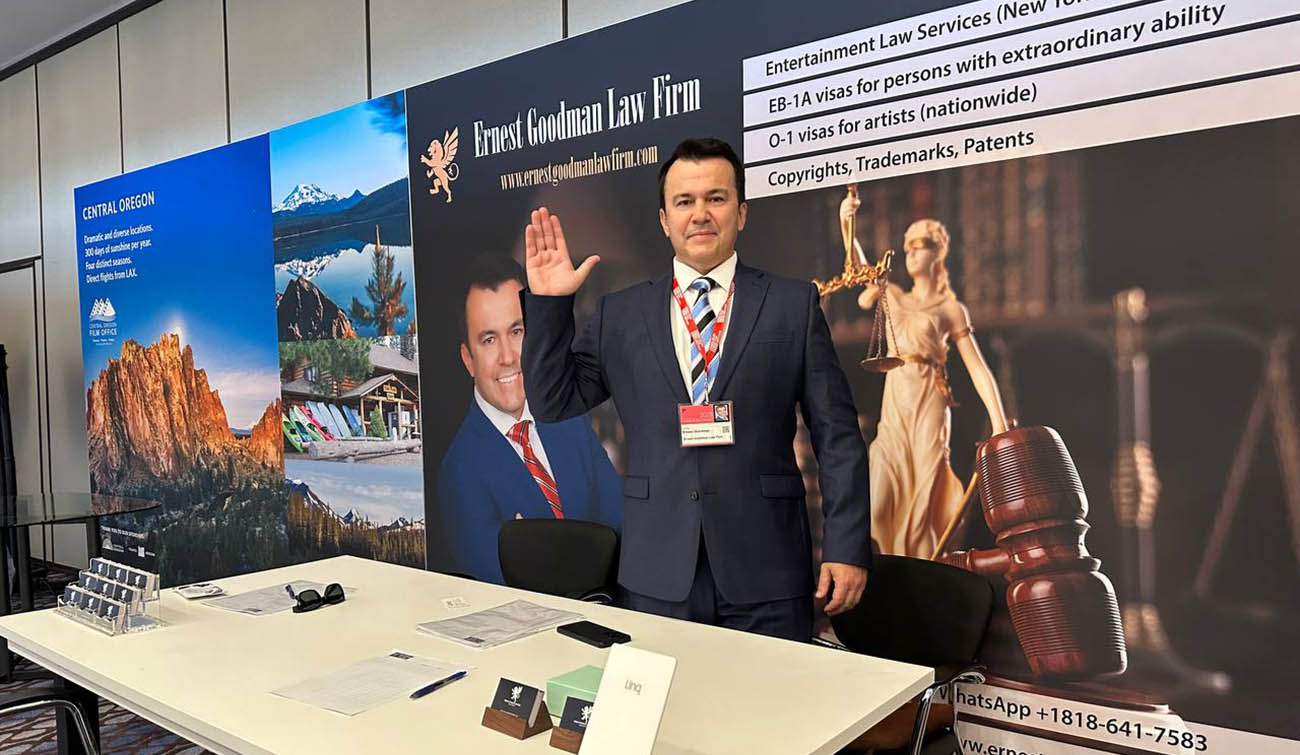
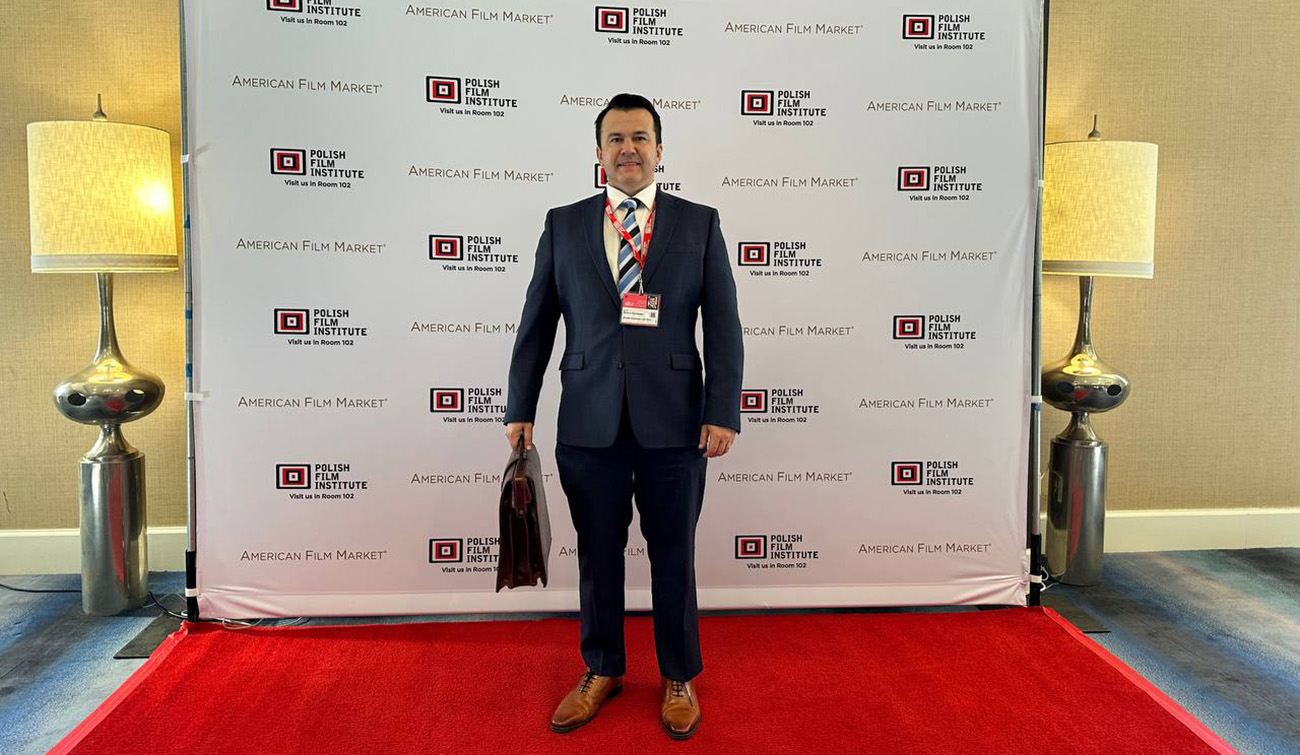
I recently attended AFM-25, and it was one of the most insightful markets I’ve been to in recent years. The conversations I had with sales agents, distributors, and producers — combined with what I observed on the financing side — made it clear that the landscape has shifted in meaningful ways. Many of you know that I originally wrote this post years ago after speaking with filmmakers at Sundance, and since then, I’ve continued to revise and expand it based on the most common questions I receive from creators navigating the business side of the industry. After AFM-25, it felt like the perfect time to update it once again with fresh, practical information.
One topic that came up repeatedly, both at Sundance and especially at AFM-25, was how to secure financing for independent films. The market is changing. Companies that once acted purely as distributors are now functioning more like sales agents; pre-sale structures are being labeled as MG deals even when they aren’t; and genre demand has shifted toward rom-coms, dramas, and family-friendly titles. In this new environment, understanding the different financing models — and preparing the right film package — is more important than ever.
AFM remains one of the best places to meet potential investors, sales agents, and distributors who can support your project, but success at the market doesn’t happen by accident. The strongest results come from preparation: a compelling script, marketable attachments, a realistic financing plan, and a clear understanding of what investors and sales agents are actually looking for today.
In this updated post, we’ll take a fresh look at the best practices for securing film financing, the strategies that help filmmakers stand out when approaching investors, and the legal considerations that protect you when structuring your deals. These insights reflect not only my legal practice, but also the real conversations happening right now in the industry.
Some preliminary concepts
Hence, your goal is to get your film sold as an Amazon Original or Netflix Original. You don’t want your film placed at the bottom of the watchlist.
Unfortunately, if your film isn’t produced by Netflix, it’s likely to be buried in their content library, and the same applies to Amazon. These platforms typically don’t actively market films unless they’re labeled as Amazon or Netflix originals. While there are distribution companies that can place your film on Netflix, significant earnings are not guaranteed. From my experience with numerous films, Netflix is often where they go to die.
Sometimes, filmmakers use money they’ve received from relatives and friends, so they’re not actively looking for external financing. Nevertheless, selling the film can still be challenging. If your film is already independently produced and you have a compelling movie, you can try a ‘four-wall’ strategy. This involves renting theaters across the country and conducting local promotions in each market where it’s showing. After the run, you’ll have audience numbers to present, which can be used as leverage in negotiations with Netflix and other distribution companies.
But, in this post, we are going to discuss a strategy on how to secure financing from scratch.
Generally, if you have an idea, game, script, screenplay, or production already in development that you’d like to pitch to Netflix, you must work through a licensed agent, producer, attorney, manager, or industry executive who already has a relationship with Netflix.
Whether you’re looking to sell a script or secure financing, it’s important to know that major studios like Netflix, Amazon, and Lionsgate don’t accept unsolicited submissions from the public. These studios exclusively deal with agents, entertainment lawyers, and major distributors for various reasons.
Let’s go back to our topic. This post is about financing films via pre-sale agreements. A pre-sale agreement is also known as a minimum guarantee deal.
What is a Pre-Sale Agreement?
A pre-sale agreement is a contractual arrangement in which a film producer licenses the distribution rights of their film to a distributor in a specific territory before the film is completed. This model is widely used in independent film financing because it allows producers to raise a significant portion of their budget upfront by leveraging future distribution commitments.
However, pre-sales are often confused with Minimum Guarantees (MGs) — sometimes intentionally by sales agents or distributors at markets. While both involve upfront money and rights, the two structures are fundamentally different. A true MG deal involves a distributor actually acquiring rights and paying a guaranteed advance, while a pre-sale is only a licensing commitment from a territory buyer, and it does not involve ownership or acquisition.
Understanding this distinction is essential before entering into any financing arrangement.
Mechanics of Pre-Sale Agreements
Producers seeking pre-sales typically approach foreign distributors or sales agents with a professional package that includes the script, logline, talent attachments, production plan, and budget. Based on this material, distributors evaluate the project’s potential in their market—considering genre, cast appeal, and comparable films—and may commit to license the film once completed.
Unlike a Minimum Guarantee, which is a direct cash advance from a distributor who is acquiring the film, a pre-sale agreement is essentially a conditional promise: the distributor agrees to pay a specific amount upon delivery of the finished film, provided it meets the contractual delivery requirements. The producer does not receive this money immediately. Instead, the signed pre-sale contracts are taken to a bank or private lender, which issues a loan secured by the value of those future payments.
This is how the pre-sale model turns projected international value into present-day production capital. It is not a guarantee of acquisition. It is not a distributor taking financial risk upfront. It is a financing tool based on the perceived market value of the package.
Once the film is completed, the producer delivers it to the distributor in accordance with the technical and legal delivery specifications. The distributor then releases the film in their designated territory and pays the contracted amount, which is used to repay the lender who cashflowed the production.
How Pre-Sale Agreements Differ from True Minimum Guarantee (MG) Deals
Although some companies—especially at film markets—label their pre-sale offers as “MGs,” the distinction is significant.
A true Minimum Guarantee is an advance that a distributor pays to acquire distribution rights. The distributor takes real financial risk, and the producer receives a guaranteed upfront payment upon signing or delivery. MGs are typically larger, more secure, and more financially beneficial because the distributor is buying rights outright for the duration of the contract. MGs often cover 20–30% of a film’s budget, sometimes more, and are delivered without relying on bank financing.
In contrast:
– Pre-sales are not acquisitions.
– They require cashflow loans to become usable production money.
– The distributor pays only at delivery.
– The risk remains primarily on the producer and lender—not the distributor.
– Distributors can walk away if the film fails to meet delivery requirements.
For these reasons, true MG deals are generally far more preferable whenever available. They provide larger guaranteed funds, immediate cash, and certainty of distribution.
However, MGs are increasingly rare. Many companies prefer the pre-sale model because it reduces their risk. This is why filmmakers frequently hear the term “MG” used loosely, even when the company is actually offering a pre-sale commitment rather than a genuine acquisition.
Prevalence of Pre-Sale Agreements
Pre-sale agreements have long been a cornerstone of independent film financing and continue to be used widely, particularly for films with recognizable cast or genres that travel well internationally. Their prevalence depends on several factors, including market conditions, financial stability of distributors, and consumer trends.Films featuring well-known actors, award-winning directors, or compelling IP are more likely to attract multiple territory buyers early. Genre also plays a significant role: romantic comedies, thrillers, action films, and family films often pre-sell strongly, while more experimental or niche projects may struggle to find buyers.Recent shifts in global viewing habits — including the rise of streaming platforms and fluctuations in international box office performance — have influenced how aggressively distributors commit to pre-sales. While still a valuable tool, pre-sales are now often combined with tax incentives, private equity, gap financing, and sometimes true MGs to build a complete financing structure.
American Film Market
Unfortunately, if your film is not produced by Netflix, they will bury it in their content library, and the same goes for Amazon. They do not actively market films unless they are Amazon or Netflix originals. There are distribution companies that can get your film on Netflix, but don’t count on making significant money. I’ve worked on many films, and sadly, Netflix is often where they go to die.
You need a film package to get a pre-sale type of deal
A film package is a comprehensive collection of elements that are used to present and market a film project, primarily to potential financiers, studios, distributors, and other industry stakeholders. It’s an essential part of the pre-production phase in filmmaking.
This package is put together long before the project is a sure thing bound for production. In fact, it’s often one of the factors that influence whether the project gets a green light.
In a pre-sale agreement, the distribution rights for a movie in a specific territory are licensed or pre-purchased by a buyer before the film’s production begins. The process typically unfolds as follows: The filmmaker or their sales agent approaches a distributor to negotiate and sign a contract. This contract grants the distributor the rights to distribute the filmmaker’s next movie.

I describe the film financing method using pre-sale deals as ‘classic’ since it’s commonly used for projects in the United States with budgets starting at $500,000. This post focuses on such projects, not on those with budgets under $500,000, mainly because significant tax incentives usually apply to films with higher budgets. In various jurisdictions, these tax benefits, often available for productions budgeted at $500,000 or more, can be critical for financing, potentially providing tax advantages of 25 percent or more of the project’s budget.
You need a film package to get financing for your film.
When filmmakers say they have “packaged” a film, it means they have created a film package. Lawyers can assist you in this process. Our law firm specializes in helping with package creation.
What film package includes?
Your film package should include the following items:
- Script. Ensure your script is copyrighted, preferably with the U.S. Library of Congress. Visit http://copyright.gov/ for online registration. Having a renowned screenwriter can boost your project’s appeal to financiers. Your script should be exceptional and fit the genre’s requirements. It could be a screenplay written by a novice screenwriter, though.
- Cover Letter. Obtain an endorsement from a respected script expert in the film industry, confirming your script’s profitability and production viability.
- Letter of Intent (LOI) from a star actor. LOI is a written document expressing an actor’s intent to be in a specific project, if various conditions are met, without a full contractual commitment or long negotiation. This is a cornerstone of your package. In most cases, it is extremely difficult to secure film financing without star actors attached.
- Director. A prominent director can enhance your project’s attractiveness. However, you can also take up the directorial role, following in the footsteps of filmmakers like Quentin Tarantino and Darren Aronofsky. About 60 percent of independent film projects with budgets of less than 10 million dollars are directed by first-time directors.
- Budget. Prepare a detailed budget that follows industry standards. Line producers can assist you with this. If you plan to shoot in different states, consider hiring line producers from each respective state for specialized knowledge and expertise.
- Marketing Package. A social media package for online marketing typically encompasses developing a tailored strategy for different platforms, creating engaging content like videos and posters, maintaining a regular posting schedule, and managing community interactions. It also involves social media advertising, monitoring performance analytics, collaborating with influencers, participating in cross-promotions, and running hashtag campaigns. Additionally, the package includes distributing press releases, securing articles in reputable magazines, and managing the film’s IMDb listing to enhance overall media presence.
- Film Website. A website that is effectively promoted and features links to social media, while ensuring it operates smoothly on various devices.
- Single Property Vehicle (SPV). A Limited Liability Company (LLC) named after your film, including a bank account. This structure protects members from lawsuits and simplifies post-production sales and licensing deals.
- Production Designer Look-Book. Have an artist draw sketches of your film’s characters, costumes, and settings. Visuals help convey your vision effectively.
- Entertainment Lawyer. Essential for legal guidance, especially in the unique field of entertainment law. Ensure your lawyer is licensed and experienced in the relevant state’s laws.
- Certificate of Clearance. Prepared by your lawyer, this document confirms that your script does not infringe on any third-party intellectual property rights, which is a key step in securing financing. For more information, check out my blog post about the role of a certificate of clearance in filmmaking here.
- Casting Director. An experienced casting director can access and attract star actors through their industry connections.
What is a development money?
When comparing a complete document package to just a script, it’s clear how much more attractive the former is. A good script is undoubtedly a vital first step, but it’s not enough to interest an investor. Unfortunately, many financiers will not talk to you if you don’t have a package with all essential elements.
Development money, refers to the funds specifically allocated for putting together a comprehensive pitch package. This package is essential for presenting the film project to potential financiers, producers, or studios.
Preparing a film package requires substantial effort and funding, often costing between $25,000 and $50,000, sometimes more.
The money filmmakers spend to create a package is called development money.
On average, you need at least $25,000 for a film with a budget of around $500,000. For a budget of $2 million or more, you’ll need about $50,000.
It’s often easier to find funding over $1 million than smaller amounts, partly due to tax incentives available for films with budgets of $1 million and above (in some states, the threshold is $500,000).
A rough breakdown of ‘development money’ might include:
- $10,000 – an option agreement with a screenwriter, giving you rights to the script for a certain period (e.g., one year).
- $5,000 – marketing services like a website, promotion, and press releases.
- $1,500 – company registration and first-year accounting services.
- $20,000 – entertainment lawyer retainer.
Of course, for films with bigger budget you will need much more development money.

Difference Between Pre-Sales and MG Deals
Although both terms are often used interchangeably — and many distributors or sales agents casually refer to a pre-sale agreement as an “MG” — they are fundamentally different. A true Minimum Guarantee (MG) is an advance paid by a distributor who acquires rights and assumes the financial risk of releasing the film. The distributor pays a guaranteed amount, usually at delivery, and takes ownership of distribution for a set term. By contrast, a pre-sale is not an acquisition at all; it is a territorial licensing commitment made before production, based on cast and genre value, and typically cash-flowed through a lender. In a pre-sale model, the producer retains ownership, while the sales agent merely represents the film to foreign buyers. The confusion arises because some companies — especially at markets like AFM — loosely label their pre-sale structures as MGs, even though they do not acquire the film or provide a true guaranteed advance.
Film Financing Structure
Okay, you’ve got a fully developed package. Now you can start looking for financing.
Example # 1:
- 25% from Minimum Guarantee (MG) or from Presale agreements: To secure an MG deal, talk to foreign sales agents. This is your initial step, involving a distributor who provides an advance payment based on your film’s potential. Attending events such as the American Film Market (AFM) is crucial to connect with foreign sales agents who can facilitate this deal. This arrangement typically covers 25% of your film’s budget upfront, thereby lessening the risk of not finding a buyer after production.
- 25% Equity Financing: This segment is funded through investments from financial firms, individual investors, or production companies. Entities that specialize in post-production, such as Technicolor or Deluxe, often invest in projects they’ll later contribute services to. A strong project with a Letter of Intent from recognized actors can make securing this investment more straightforward.
- 25% Loans: Banks with film financing departments, like Bank of America, might provide loans for this portion. Getting such loans is increasingly challenging, and banks are typically cautious, especially with newcomers to the film industry.
- 25% Tax Incentives: This part of the funding can come from tax credits and incentives offered by different states or countries. While some jurisdictions advertise up to 50% in tax credits, realistically obtaining more than 25% can be difficult.
Example # 2:
- 60% Pre-sale cashflow. The distributor does not acquire any IP rights.
- 40% Equity financing. Production companies can finance the remaining portion if you have a pre-sale deal in place.
Example # 3:
- 60% Pre-sale cahsflow. The distributor does not acquire any IP rights.
- 20% Equity financing. Production companies can finance the remaining portion if you have a pre-sale deal in place.
- 20% Tax incentives.
Keep in mind that true MG often results in more money upfront and provides the filmmaker with a guaranteed acquisition.
Securing ‘development money’, or the initial capital for the project, is often the most challenging step. However, with a strong script and confirmed interest from star actors, acquiring the rest of the funding becomes more manageable.
Apart from these four primary sources, there are other financing methods, such as grants and product placement. The key is having a solid base, including an engaging script and star actors attached to the project.
The Bottom Line
A well-constructed film package is absolutely essential for securing financing. It is the foundation of the entire funding process — the document (and strategy) that communicates the creative vision, commercial viability, and market positioning of your project. A strong package not only demonstrates that the film can be made, but also that it can be sold, which is ultimately what financiers, sales agents, and distributors care about most.
In practice, the most difficult stage of film financing is obtaining development money — the early capital needed for casting, attachments, legal work, budgets, schedules, and initial materials. Without development funds, it is almost impossible to reach the stage where sales agents or investors will seriously consider the project. But once you have a compelling script and at least one recognizable actor attached, the remaining financing components (equity, pre-sales, tax credits, and even MGs) often fall into place much more easily. Attachments signal legitimacy, and legitimacy attracts capital.
Securing a star actor, however, is rarely straightforward. It typically requires navigating multiple layers of agents, managers, and business affairs representatives; presenting a clear financial structure that satisfies the actor’s quotes and backend expectations; and ensuring the shooting schedule aligns with their availability. Additionally, the actor’s representatives will evaluate the project’s credibility, the strength of the script, the financing plan, and the track record of the producers before recommending the project to their client. This is why legal clarity, proper packaging, and a professional approach are crucial from the beginning.
Our office can assist you in assembling a complete, market-ready package — including talent agreements, option/purchase contracts, financing documents, sales agent negotiations, corporate structuring, and all essential elements needed to present your film professionally. We also provide comprehensive entertainment law services to ensure that every legal and financial aspect of your project is properly managed, protected, and aligned with industry standards.
Kellyann Chippendale
December 10, 2023 at 9:16 pmThank you so much for all of this information!
Ernest Goodman
December 14, 2023 at 8:22 pmYou are very welcome!