





Fertikh v. Blanche: Due Process Before the Ninth Circuit
Hello everyone,
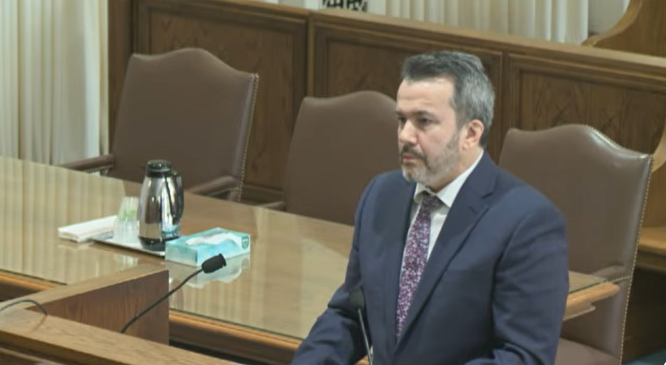
On September 16, 2026, I had the opportunity to argue Fertikh v. Blanche, No. 25-7834, before the U.S. Court of Appeals for the Ninth Circuit in Pasadena, California.
Arguing before the Ninth Circuit was a memorable professional experience. The Pasadena courthouse itself adds to the atmosphere—the beautiful historic building, with its colonial-style architecture and impressive interior, provides a striking setting for a federal appellate argument.
The appeal raises important questions concerning procedural due process in immigration proceedings, including adequate notice, denial of a continuance, and whether a respondent was provided a meaningful opportunity to prepare and present his case.
For me, one of the most interesting aspects of the argument was seeing “Law School 101” become real life. Constitutional principles that lawyers first encounter in Civil Procedure and Constitutional Law were directly relevant to an actual immigration appeal before a federal court of appeals.
Among the authorities discussed were two foundational U.S. Supreme Court decisions: Mullane v. Central Hanover Bank & Trust Co., 339 U.S. 306 (1950) and Jones v. Flowers, 547 U.S. 220 (2006).
In Mullane, the Supreme Court articulated one of the fundamental principles of procedural due process: notice must be reasonably calculated, under the circumstances, to inform an affected person of the proceeding and provide an opportunity to respond.
Decades later, Jones addressed what happens when the government becomes aware that its original attempt to provide notice may not have been effective. Under the circumstances presented there, the Supreme Court required additional reasonable steps when such steps were practical.
These principles remain highly relevant in modern immigration proceedings. Removal proceedings can have enormous consequences, and constitutional due process protects a meaningful opportunity to participate in the proceeding.
Video of the Ninth Circuit oral argument:
Another important issue addressed during the Ninth Circuit argument was the distinction between an Immigration Judge’s denial of a continuance, reviewed under an abuse-of-discretion standard, and a separate constitutional due-process claim. Although the two issues may arise from the same procedural events, they involve different legal analyses.
That is what made this argument particularly interesting to me: doctrines originating in Supreme Court cases studied by generations of law students became directly relevant to the realities of modern immigration litigation.
The case has now been submitted to the Ninth Circuit, and the Court has not yet issued its decision.
The oral argument is public and can be watched here:
Ernest Goodman
Law Offices of Ernest Goodman
This post discusses a publicly available court proceeding for informational purposes and does not constitute legal advice.
.