





Immigration Traps for International Filmmakers
Introduction: Talent Does Not Override Immigration Law
International filmmakers are deeply embedded in the U.S. film industry. Directors, producers, cinematographers, editors, composers, and writers from all over the world come to the United States to attend festivals, develop projects, meet collaborators, and shoot films. Many are highly accomplished and assume that professionalism, artistic intent, or lack of payment will protect them from immigration problems. In reality, immigration law is indifferent to talent, reputation, or creative purpose. It operates on strict legal definitions that often conflict with how the film industry actually works.
In practice, far more film careers are disrupted by immigration violations than by creative failure. These violations are usually unintentional. Filmmakers often believe they are acting cautiously, yet unknowingly cross legal boundaries that can have long-term consequences.
The Tourist Visa Illusion
One of the most common traps begins at entry to the United States. Filmmakers frequently enter on a tourist visa or ESTA believing they are “just visiting,” “just networking,” or “just attending a festival.” Some assume that if no money is exchanged, their activities cannot be considered work. Others believe that helping friends on a set or being present during production is harmless.
Under U.S. immigration law, the concept of work is far broader than most people expect. Directing actors, producing, managing a crew, editing footage, rehearsing scenes, coordinating production, or actively promoting oneself for U.S.-based work can all be classified as unauthorized employment. Whether compensation is received is often irrelevant. What matters is the nature of the activity and whether it benefits a commercial project or replaces a role normally performed by a paid worker in the United States.
These misunderstandings frequently surface later, not at the moment they occur. A casual answer given to a border officer, or an assumption made years earlier, can later be cited in a visa denial or during green card processing.
The Myth of “Volunteering” in Film
Another widespread misconception is the belief that volunteering on a film set is lawful. In the film industry, volunteering is almost never permitted for foreign nationals. Film production is treated as commercial activity, regardless of budget size, artistic intent, or whether the project is described as independent, experimental, or non-profit in spirit.
Immigration law does not view a student film, a festival project, or a passion project through the same lens as filmmakers do. If the role performed is one that would normally be paid in the U.S. market, performing it without work authorization can be considered a violation. Many filmmakers only discover this distinction after a visa is revoked or a future application is questioned.
Festivals Are Not a Legal Safe Zone
Film festivals are often perceived as a gray area where immigration rules are relaxed. While attending screenings, watching films, and participating in Q&A sessions about completed work is generally acceptable, problems arise when filmmakers engage in active commercial behavior. Negotiating contracts, pitching services, meeting financiers with the intent to work in the United States, or marketing oneself for future U.S.-based projects can all cross the line into unauthorized employment.
Immigration officers are very familiar with major and minor festivals alike. They understand how deals are made, how networking works, and how projects are developed. Questions asked at the airport or during a visa interview are often far more precise than filmmakers expect, and answers are carefully documented.
Creating a U.S. Company Without a Lawyer
A particularly risky trend among international filmmakers is the decision to create a U.S. business without legal guidance. Many filmmakers form an LLC or corporation online, open a U.S. bank account, sign contracts, and begin production believing that business ownership somehow authorizes them to work. It does not.
Forming a U.S. company grants no immigration status and no right to work in the United States. Owning a company does not permit directing, producing, managing, or performing services for that company while physically present in the U.S. Doing everything independently, without consulting an immigration or entertainment lawyer, is strongly not advised.
From an immigration perspective, this approach often creates a clear and damaging paper trail. Corporate filings, operating agreements, contracts, payment records, emails, and promotional materials can later be used as evidence of unauthorized employment. What feels like responsible entrepreneurship can become a detailed record of violations reviewed years later by immigration authorities.
Social Media and OSINT Are Actively Used
Many filmmakers underestimate how immigration authorities gather information. Immigration agencies do not rely solely on forms and interviews. U.S. Citizenship and Immigration Services and related agencies routinely review publicly available information using open-source intelligence. This includes social media platforms, personal websites, IMDb profiles, festival announcements, interviews, podcasts, behind-the-scenes photos, and promotional posts.
Filmmakers are particularly exposed because public promotion is part of their profession. Posts showing time on set in Los Angeles, photos directing actors, stories tagged with U.S. locations, or announcements about U.S.-based projects can directly contradict statements made at the border or in visa applications. Even content posted years earlier can resurface during an adjustment of status interview or petition review. If information is public, it can be used.
The “I’ll Fix It Later” Assumption
Another dangerous belief is that immigration issues can be corrected later, once a project succeeds. Filmmakers often assume that a future O-1 visa or employment-based green card will erase past mistakes. Immigration violations do not disappear with time or success.
Unauthorized employment can undermine O-1 petitions, EB-1 or EB-2 cases, and even family-based green card applications. Violations may only come to light years later, during a process that was expected to be routine. At that point, the damage is often already done.
Misunderstanding the O-1 Visa
The O-1 visa is frequently viewed as a solution for filmmakers, but it is also commonly misunderstood. A few IMDb credits, festival selections, or industry connections do not automatically qualify someone for extraordinary ability classification. The O-1 requires sustained acclaim, a well-documented record, a legitimate U.S. petitioner, clearly defined roles, and a carefully structured legal strategy.
Treating the O-1 as a simple form or an afterthought often leads to denial, especially if past unauthorized work complicates the record.
Conclusion: Planning Is the Only Real Protection
Immigration law does not adjust itself to creative industries. It does not distinguish between art and commerce, passion and profit. If work takes place in the United States, the rules apply. Most immigration disasters in the film industry are not dramatic or intentional. They result from small, casual decisions made without legal guidance.
With proper planning, international filmmakers can work legally in the U.S., build sustainable careers, and protect their future opportunities. Without planning, even a successful film can become the beginning of serious immigration problems rather than a breakthrough.
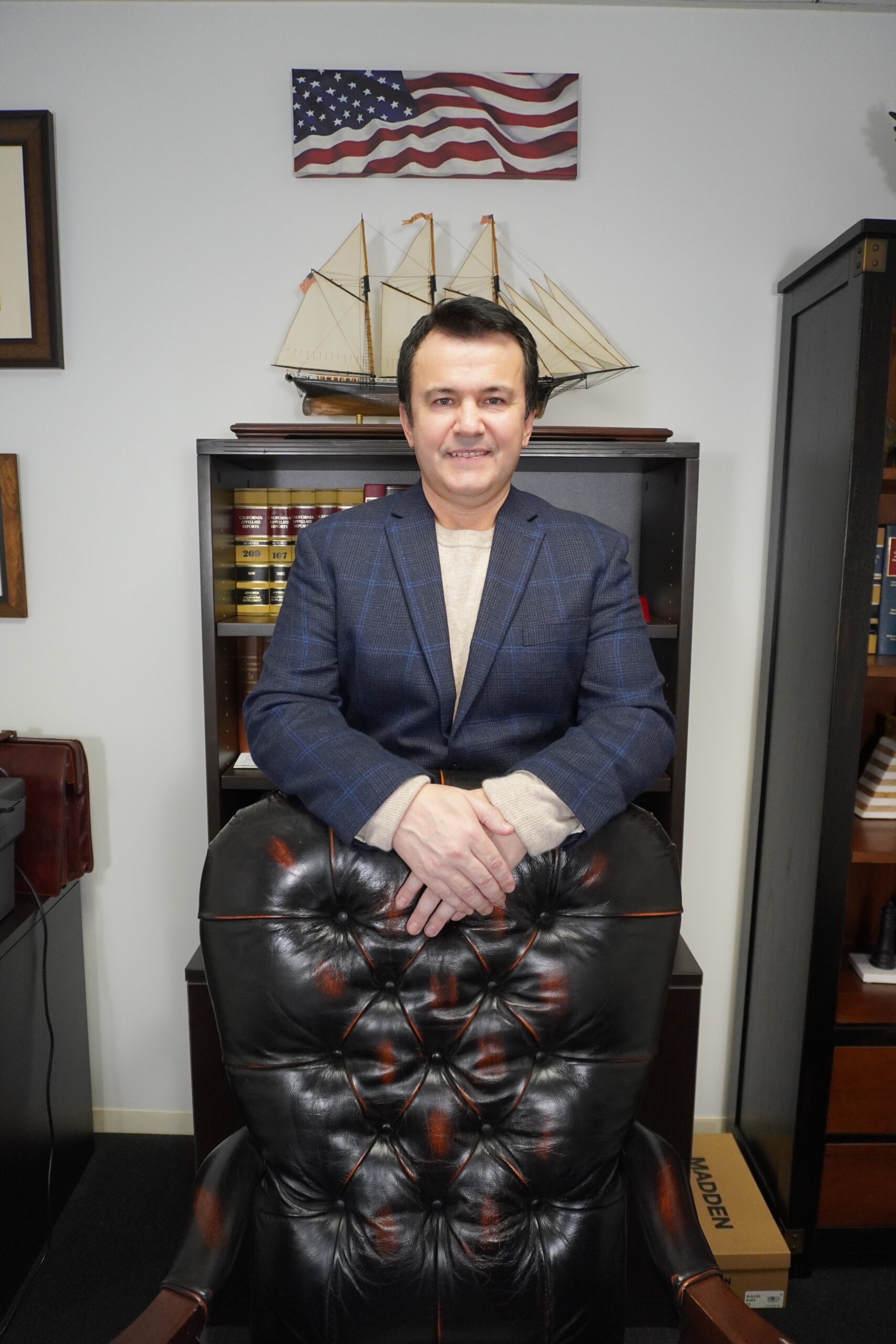
✍️ Written by Ernest Goodman, attorney at law, Entertainment & IP.
⚠️ Disclaimer by Ernest Goodman, Esq.
This article is intended for informational purposes only and does not constitute legal advice. Reading or relying on this content does not establish an attorney-client relationship. Because laws differ by jurisdiction and continue to evolve readers are encouraged to consult a qualified attorney licensed in the relevant jurisdiction for advice tailored to specific circumstances.
.