


a

Facebook

Twitter

Copyright 2023 Ernest Goodman Law Firm - Los Angeles - New York.
All Rights Reserved.

9:00 AM - 5:00 PM

Our Opening Hours Mon. - Fri.

+1818-858-0406

Call Us.

Facebook

Twitter

Search
Menu
 

Blog

Ethics Before Profits

How People Pretend to Be Bigger Than They Are in the Film Industry
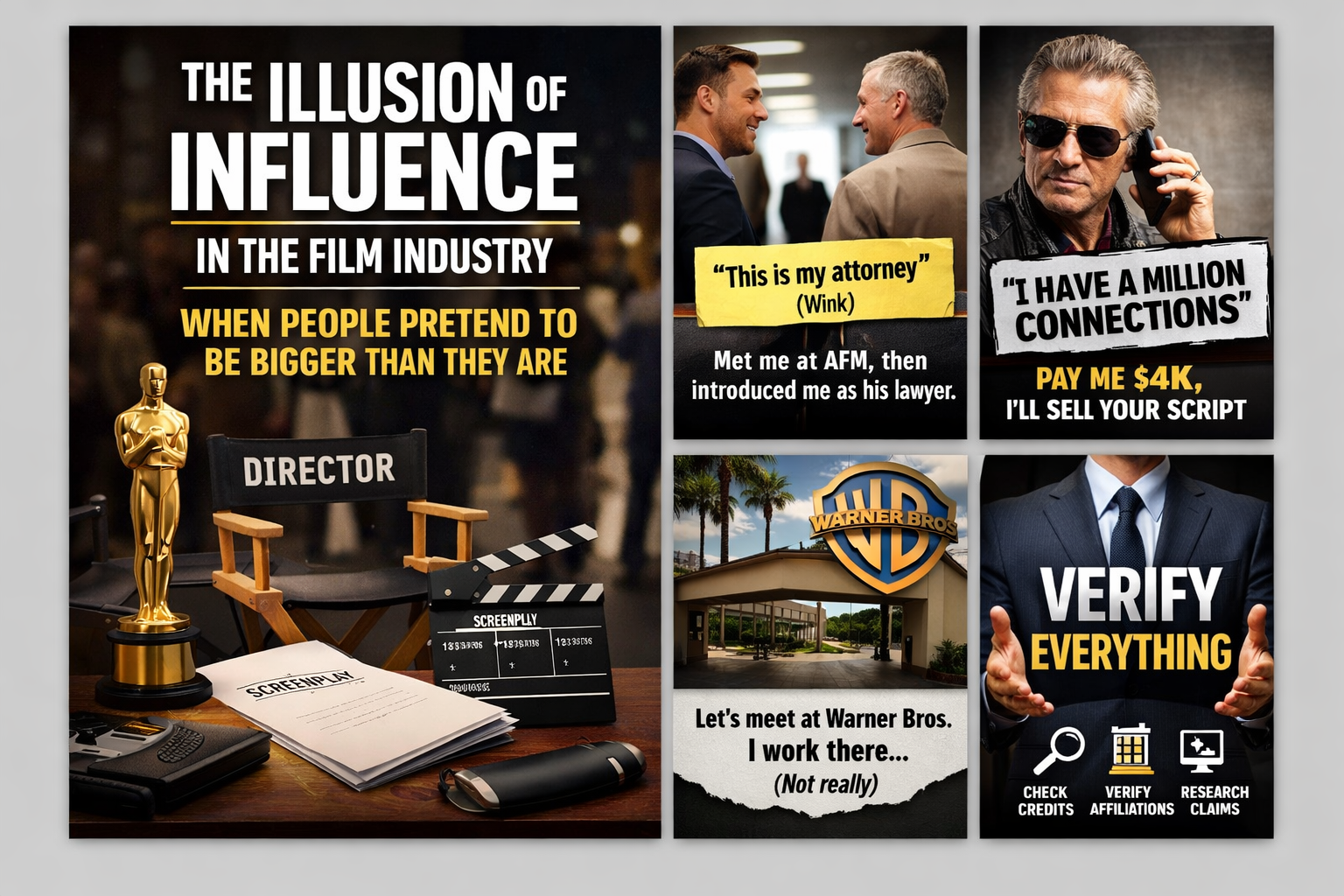
The film industry runs on perception. Reputation, access, and relationships often matter just as much as talent. But this creates a predictable side effect—an environment where some individuals build not real influence, but the illusion of it. Over time, especially through real experience at markets and festivals, you begin to recognize a pattern: people who try to appear bigger than they are by attaching themselves to others, exaggerating their reach, and using environments that look impressive. I’ve encountered this repeatedly—and in different forms....

Continue reading
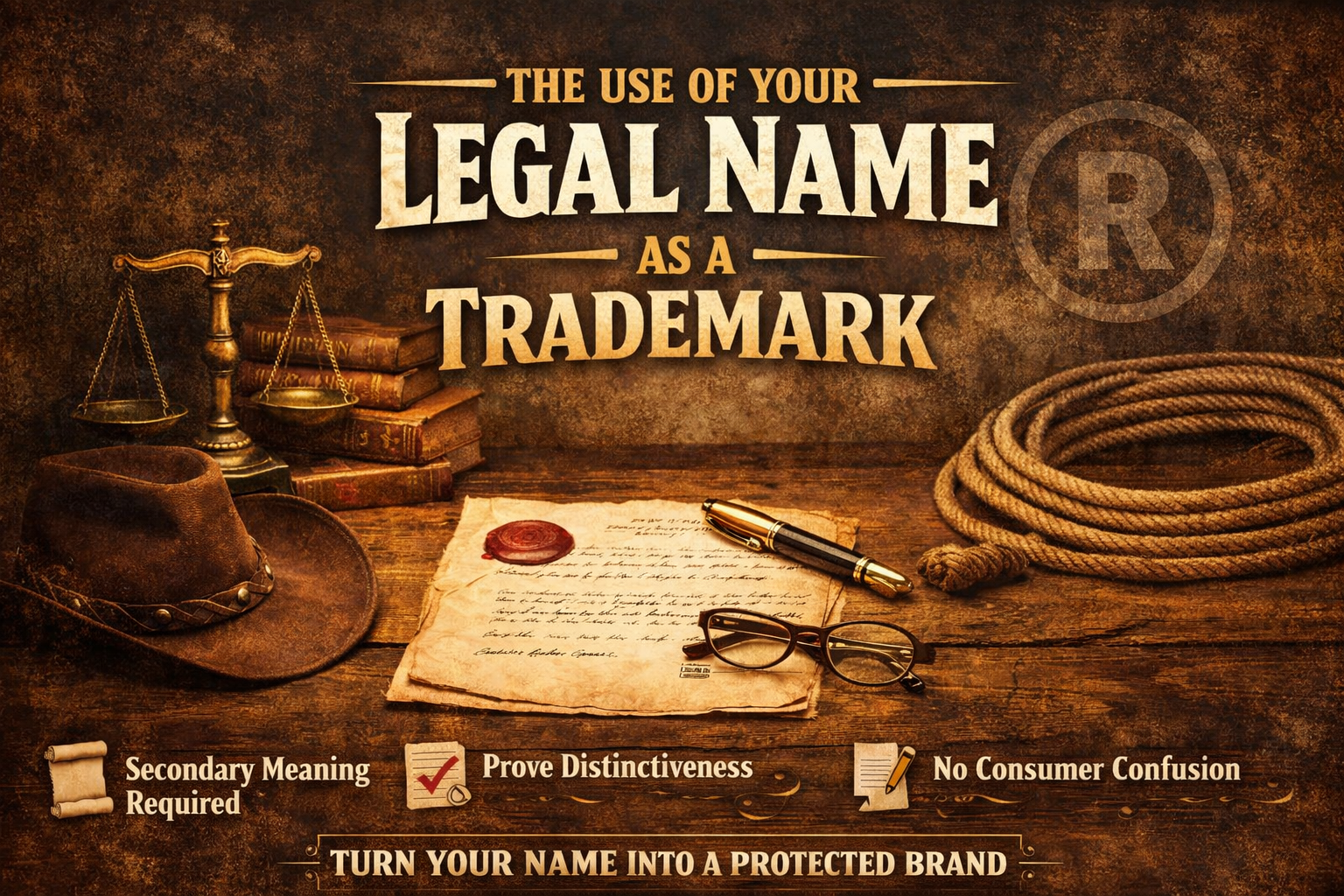
⚖️ The Use of Your Legal Name as a Trademark

Many professionals instinctively believe that their legal name belongs entirely to them in every context, including business. It feels natural to assume that if you are born with a name, you have the unrestricted right to use it commercially. However, trademark law operates on a very different principle. Your legal name does not automatically grant you exclusive rights in the marketplace. It does not guarantee trademark protection, and in certain situations, you may even be restricted from using it in connection with your own business. This disconnect between intuition and legal reality is where many costly mistakes begin. Trademark law is not...

Continue reading

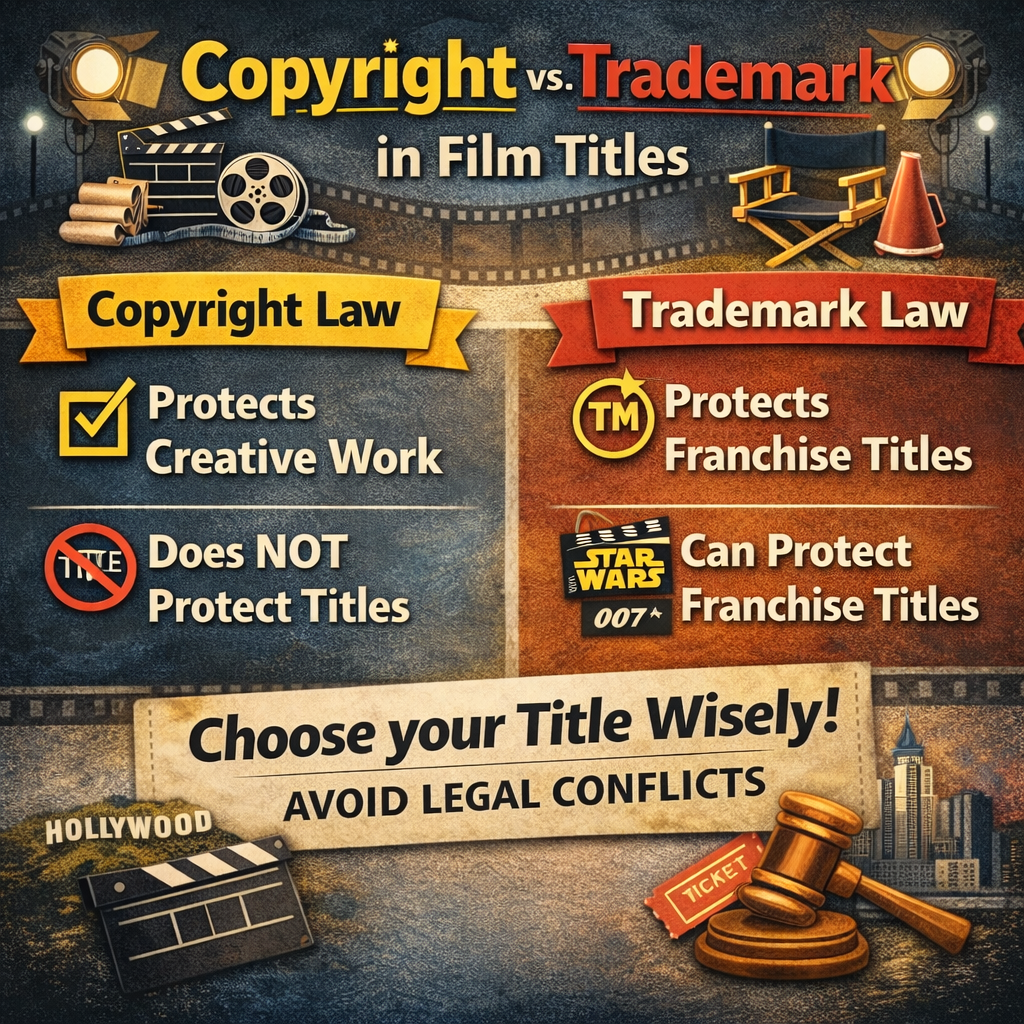
Copyright vs. Trademark in Film Titles

One of the most common misunderstandings among filmmakers is the belief that the title of a film is protected by copyright law. In practice, this is almost never the case. In the United States, the legal protection of film titles falls primarily under trademark law and unfair competition law, rather than copyright law. Understanding this distinction is important for filmmakers, producers, distributors, and anyone working in the entertainment industry....

Continue reading

The O.J. Simpson Effect in Immigration Court

As a lawyer who represents clients in immigration courts, I often see something surprising happen during asylum hearings. Cases that begin as administrative proceedings sometimes evolve into something that feels almost like a full-blown criminal trial—the kind of intense litigation people associate with famous courtroom battles such as the O. J. Simpson murder trial....

Continue reading

Why “Deferred Pay” Agreements Collapse in Court

Deferred compensation is one of the central economic mechanisms of independent filmmaking. It allows production to move forward in the absence of immediate financing and creates the sense that risk is being shared collectively by everyone involved in the project. Yet in litigation the phrase “deferred pay” rarely functions as filmmakers expect. Courts do not evaluate the emotional or collaborative context in which the agreement was signed; they analyze whether a legally enforceable obligation to pay for completed services exists. When work has already been performed and the agreement does not clearly and precisely make payment contingent upon a defined...

Continue reading

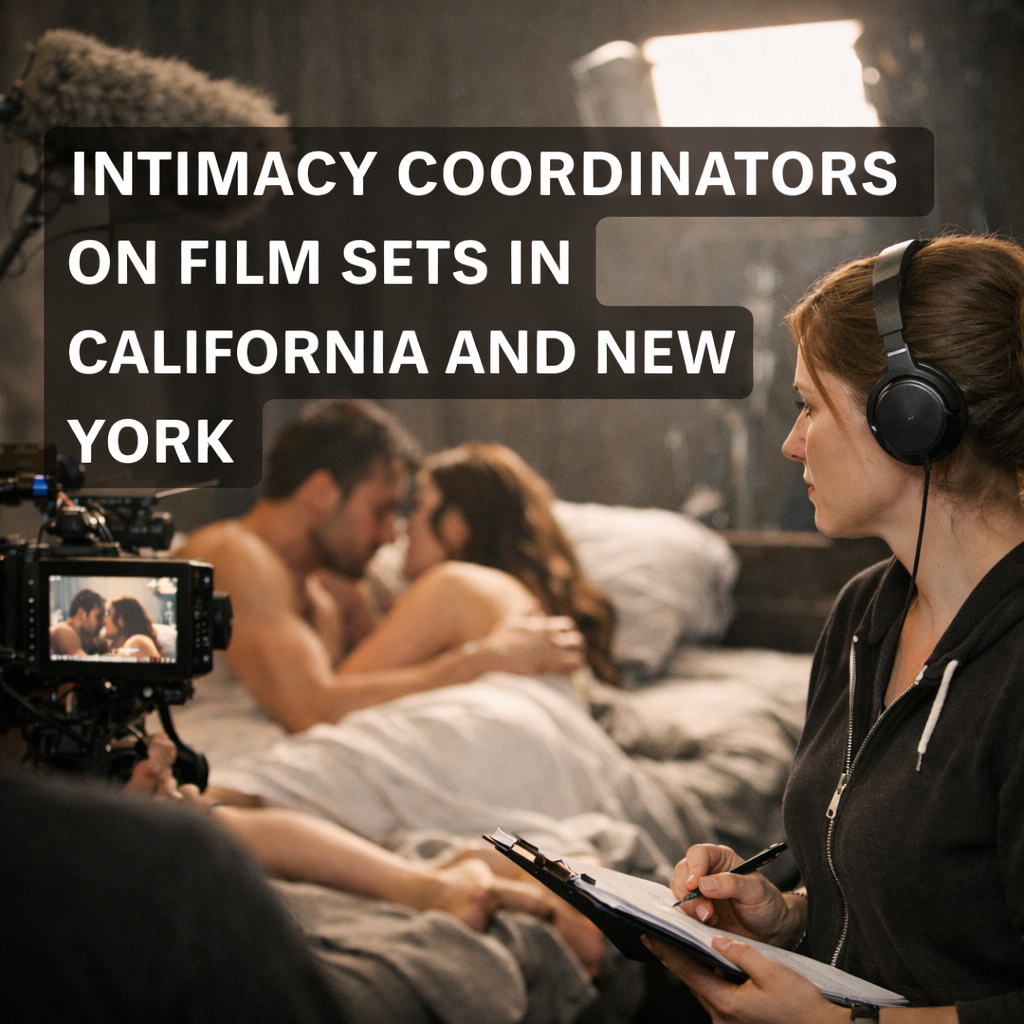
Intimacy Coordinators on Film Sets in California and New York

Film production has always involved risk. Financing can collapse, creative visions can fracture, and distribution can fall apart late in the process. Historically, however, these risks were largely internal and predictable. They arose from contracts, business relationships, or market forces. What has changed is the location of risk. Today, some of the most serious legal exposure in film production arises not from the script or the financing structure, but from social media. Informal posts, interviews, reposts, and commentary made outside official promotional channels can now determine whether a project remains stable or becomes legally compromised. From a legal perspective, social media is no...

Continue reading

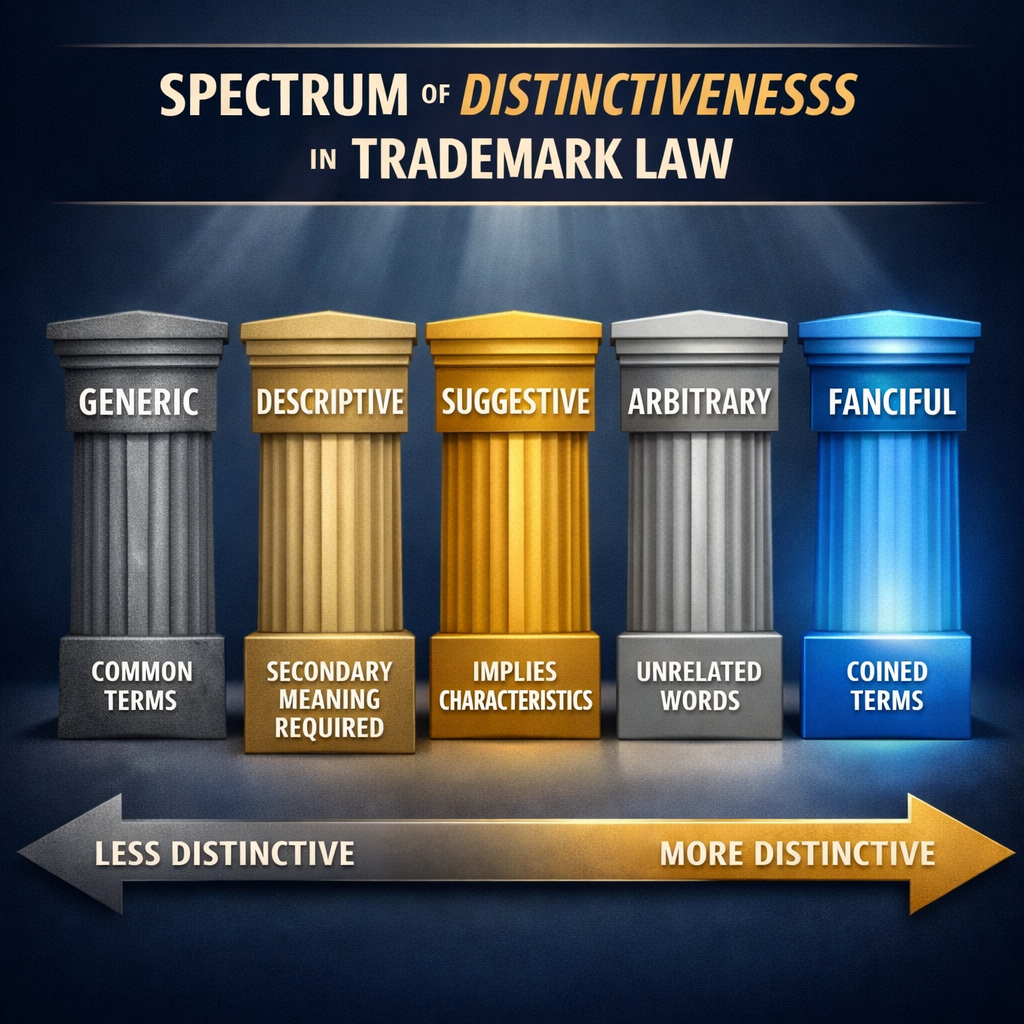
Secondary Meaning in U.S. Trademark Law

Many businesses believe trademark protection begins with filing. In reality, that belief is what causes most trademark failures. Trademark problems rarely come from not filing. They come from filing without a strategy. Online trademark mills thrive on the idea that registration itself creates protection. They sell speed, low price, and convenience, but they remove the most important step in trademark law: the IP strategy plan that must exist before anything is filed....

Continue reading

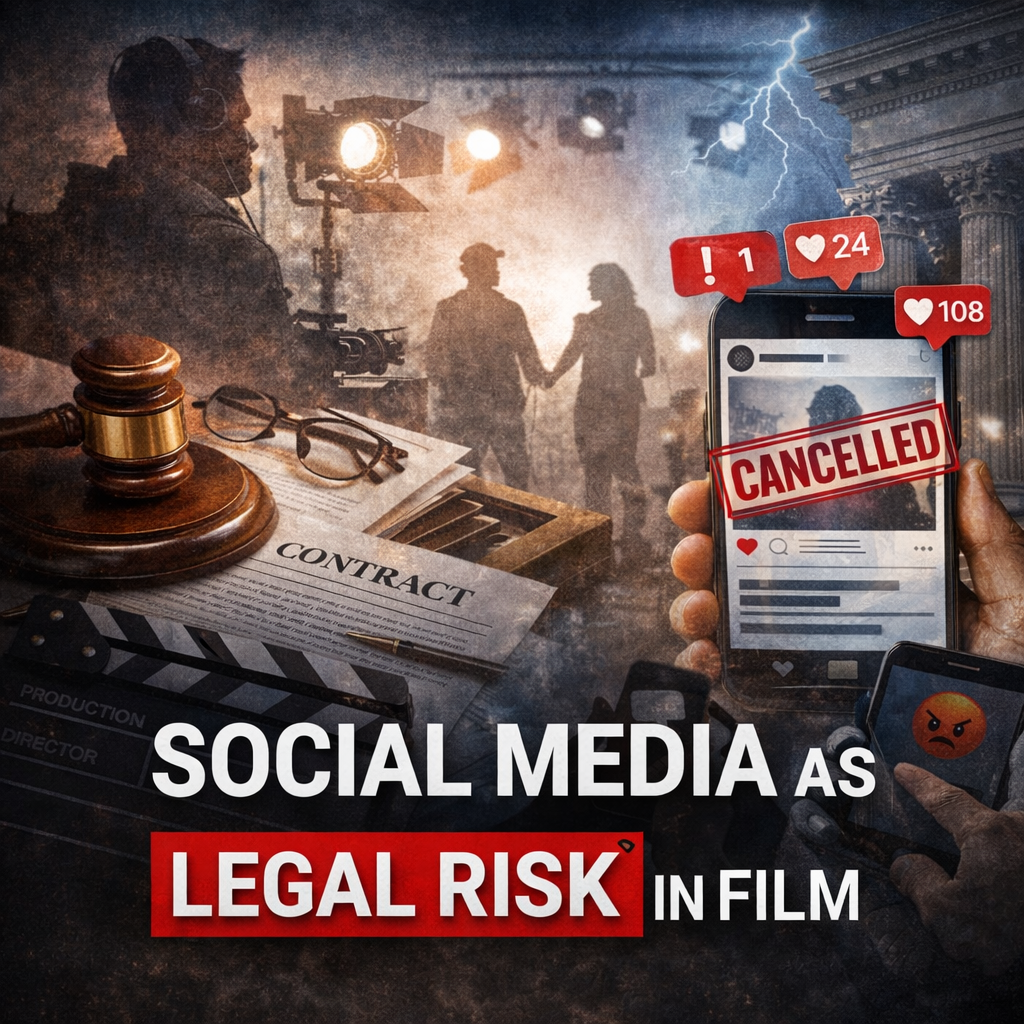
Social Media as Legal Risk in Film

Film production has always involved risk. Financing can collapse, creative visions can fracture, and distribution can fall apart late in the process. Historically, however, these risks were largely internal and predictable. They arose from contracts, business relationships, or market forces. What has changed is the location of risk. Today, some of the most serious legal exposure in film production arises not from the script or the financing structure, but from social media. Informal posts, interviews, reposts, and commentary made outside official promotional channels can now determine whether a project remains stable or becomes legally compromised. From a legal perspective, social media is no...

Continue reading

Why Cheap Trademark Filings Destroy Later Enforcement

Many businesses believe trademark protection begins with filing. In reality, that belief is what causes most trademark failures. Trademark problems rarely come from not filing. They come from filing without a strategy. Online trademark mills thrive on the idea that registration itself creates protection. They sell speed, low price, and convenience, but they remove the most important step in trademark law: the IP strategy plan that must exist before anything is filed....

Continue reading