



a

Facebook

Twitter

Copyright 2023 Law Offices of Ernest Goodman - Los Angeles - New York.
All Rights Reserved.

9:00 AM - 5:00 PM

Our Opening Hours Mon. - Fri.

+1818-858-0406

Call Us.

Facebook

Twitter

Search
Menu
 

Blog

Ethics Before Profits

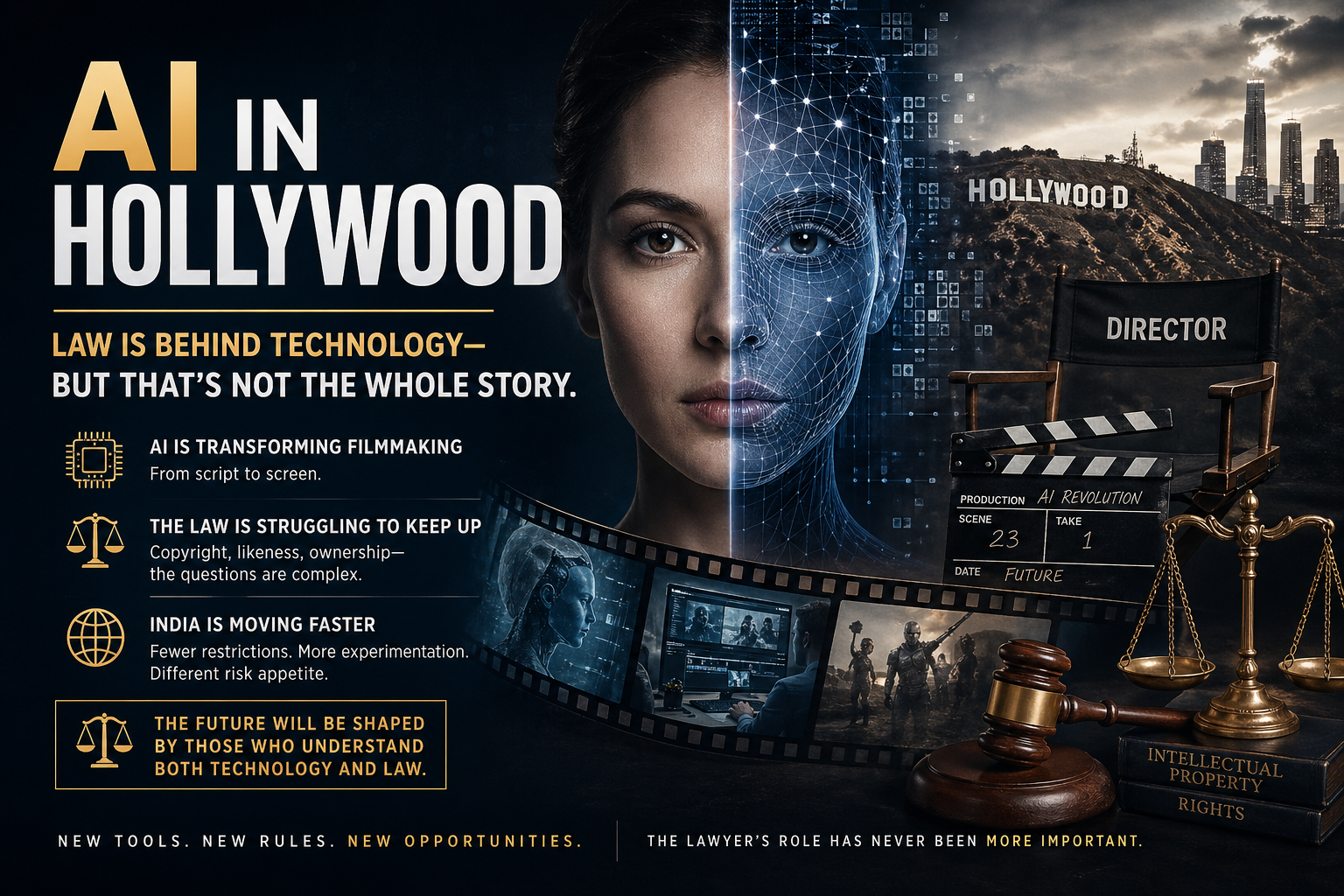
AI in Hollywood: Law Is Behind Technology

Artificial intelligence is already embedded in the film industry. It is not theoretical. It is not “coming soon.” It is here. But its implementation is uneven, cautious, and often deliberately hidden behind traditional workflows. At the same time, other markets—particularly India—are moving faster, experimenting openly, and accepting risks that U.S. studios are unwilling to take....

Continue reading

ACA Motions Are on Pause — But Asylum Cases Are Still Being Denied Early

Under the ACA framework, the government would argue that a person should not be allowed to seek asylum in the United States because they passed through another country and could have applied there. These arguments were tied to a specific regulatory structure and were relatively straightforward in how they were presented in court. Today, those arguments have largely receded from day-to-day practice. This has created an impression that immigration courts may be returning to a more traditional process, where each applicant has a full hearing and an opportunity to explain their case in detail. In practice, that has not happened. Instead of...

Continue reading

🎬 When Life Story Becomes Content: The Legal Risk

There is a persistent assumption in film, media, and online content creation that reality provides protection. If something actually happened, it can be shown. If a person has already become public, their story is available. If events are documented, then telling them again should not create legal risk. That assumption feels intuitive. It is also fundamentally wrong....

Continue reading

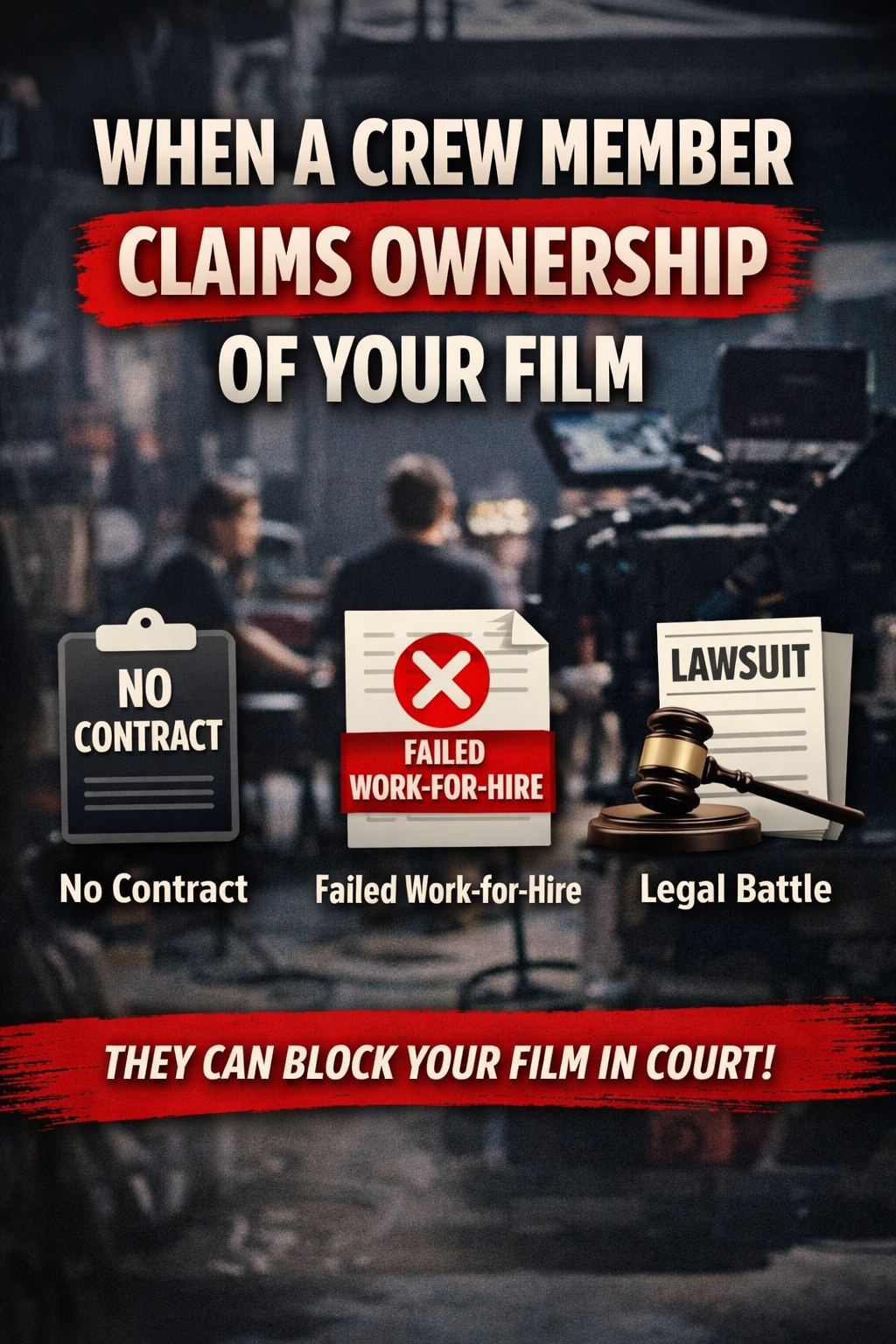
🎬 What Happens When a Crew Member Claims Ownership

Today, we will talk about work-for-hire agreements. In film production, ownership is often assumed—but rarely verified. Many filmmakers operate under the belief that once a project is completed, the film “belongs” to the producer or the production company. That assumption may feel intuitive, especially when one party finances, organizes, and oversees the entire production....

Continue reading

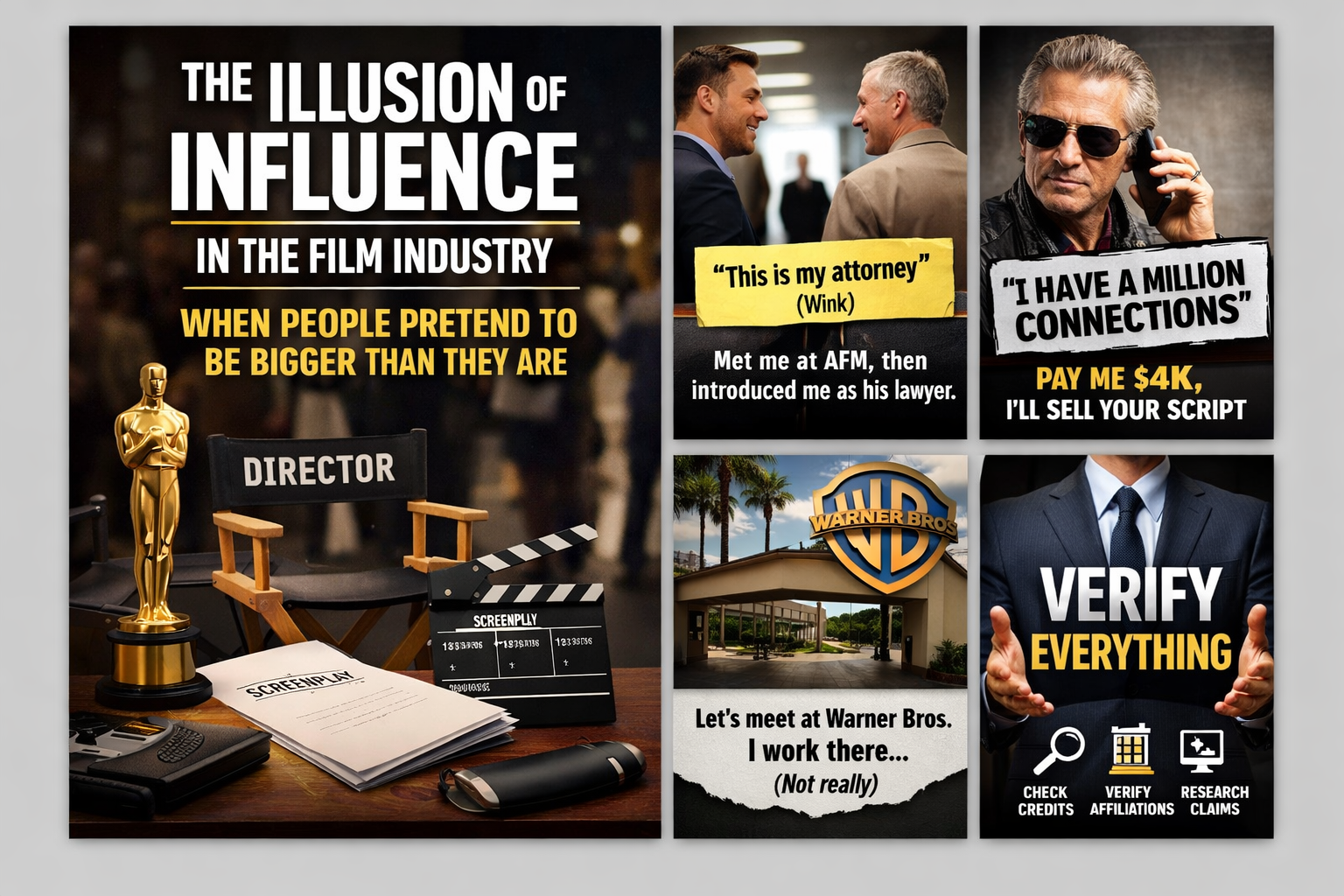
How People Pretend to Be Bigger Than They Are in the Film Industry

The film industry runs on perception. Reputation, access, and relationships often matter just as much as talent. But this creates a predictable side effect—an environment where some individuals build not real influence, but the illusion of it. Over time, especially through real experience at markets and festivals, you begin to recognize a pattern: people who try to appear bigger than they are by attaching themselves to others, exaggerating their reach, and using environments that look impressive. I’ve encountered this repeatedly—and in different forms....

Continue reading

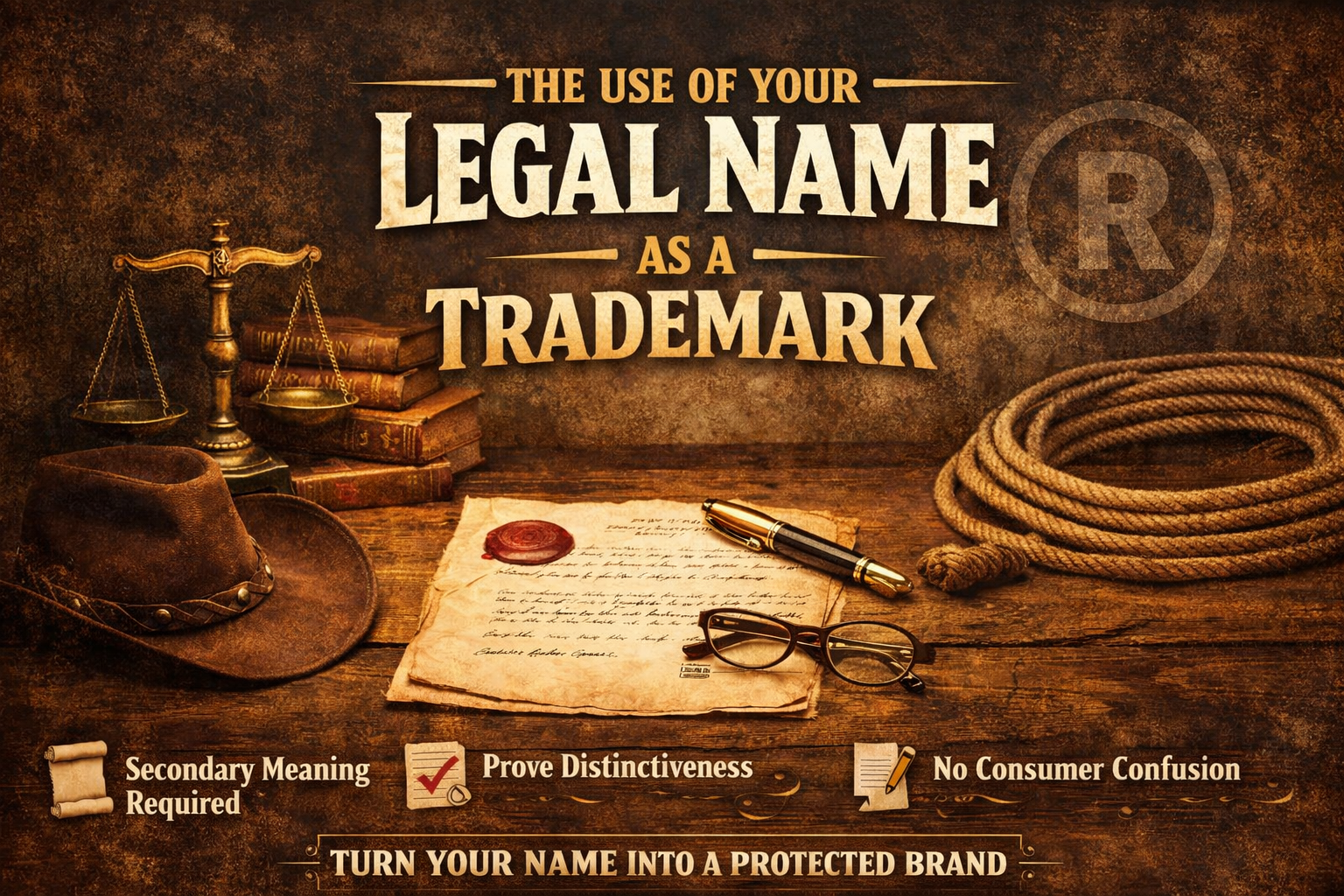
The Use of Your Legal Name as a Trademark

Many professionals instinctively believe that their legal name belongs entirely to them in every context, including business. It feels natural to assume that if you are born with a name, you have the unrestricted right to use it commercially. However, trademark law operates on a very different principle. Your legal name does not automatically grant you exclusive rights in the marketplace. It does not guarantee trademark protection, and in certain situations, you may even be restricted from using it in connection with your own business. This disconnect between intuition and legal reality is where many costly mistakes begin. Trademark law is not...

Continue reading

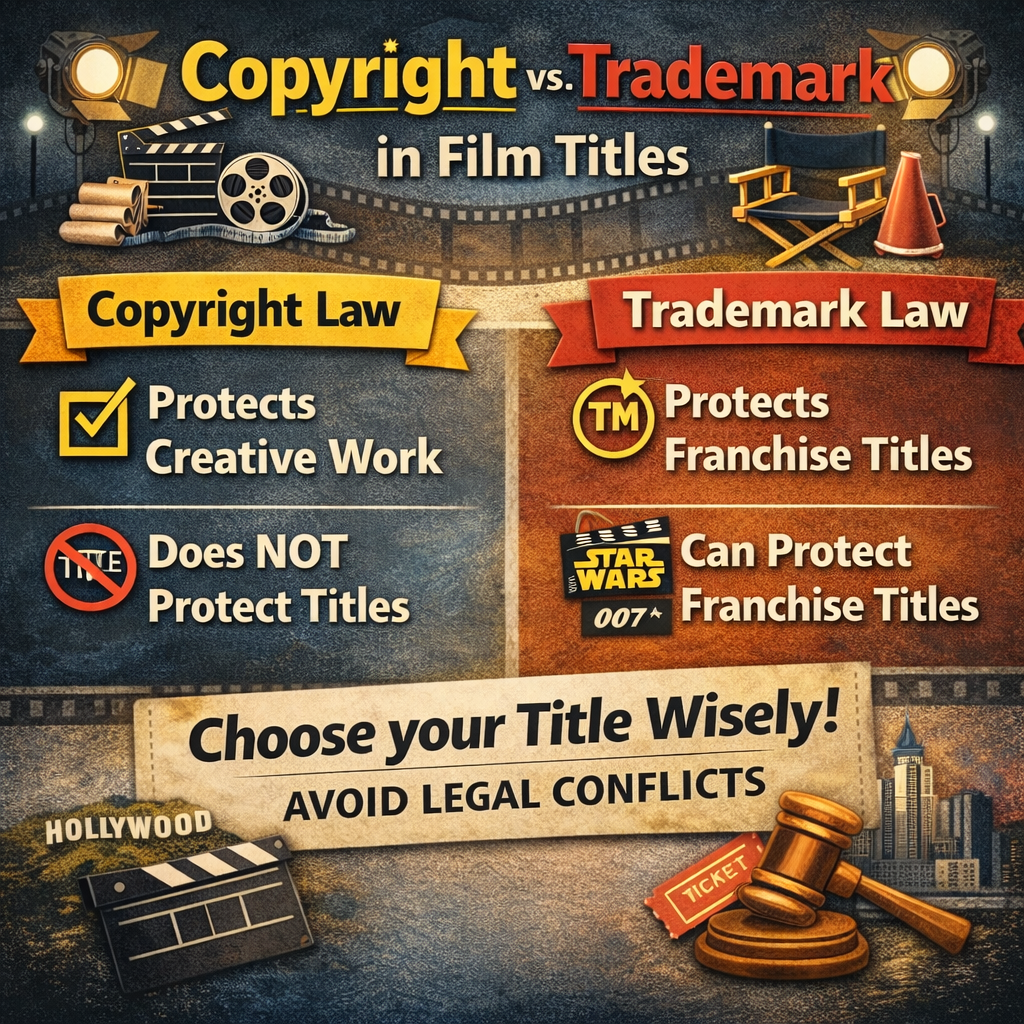
Copyright vs. Trademark in Film Titles

One of the most common misunderstandings among filmmakers is the belief that the title of a film is protected by copyright law. In practice, this is almost never the case. In the United States, the legal protection of film titles falls primarily under trademark law and unfair competition law, rather than copyright law. Understanding this distinction is important for filmmakers, producers, distributors, and anyone working in the entertainment industry....

Continue reading

The O.J. Simpson Effect in Immigration Court

As a lawyer who represents clients in immigration courts, I often see something surprising happen during asylum hearings. Cases that begin as administrative proceedings sometimes evolve into something that feels almost like a full-blown criminal trial—the kind of intense litigation people associate with famous courtroom battles such as the O. J. Simpson murder trial....

Continue reading

Why “Deferred Pay” Agreements Collapse in Court

Deferred compensation is one of the central economic mechanisms of independent filmmaking. It allows production to move forward in the absence of immediate financing and creates the sense that risk is being shared collectively by everyone involved in the project. Yet in litigation the phrase “deferred pay” rarely functions as filmmakers expect. Courts do not evaluate the emotional or collaborative context in which the agreement was signed; they analyze whether a legally enforceable obligation to pay for completed services exists. When work has already been performed and the agreement does not clearly and precisely make payment contingent upon a defined...

Continue reading